SlimTide vs Berberine: Nature's Ozempic?
Is Berberine Really Nature's Ozempic?
Not really. Berberine is a plant compound with small, short studies showing roughly five to ten pounds of berberine for weight loss over eight weeks, often alongside digestive side effects. Ozempic produces around fifteen percent loss under prescription. SlimTide takes a broader route, pairing stimulant-free metabolic support with plant-fibre appetite control.
- Berberine's weight-loss evidence is small and short, and frequently flags diarrhea and cramping.
- It is not comparable to Ozempic's roughly 15% clinical loss — different mechanism, different scale.
- SlimTide pairs metabolic support with plant-fibre appetite control in one caffeine-free daily capsule.

Where "nature's Ozempic" came from — and why it stuck
Every few months the internet crowns a new miracle for the waistline, and lately the crown has landed on a bright-yellow plant compound. Searches for berberine for weight loss have surged past forty thousand a month and are still climbing, driven almost entirely by one sticky phrase: "nature's Ozempic." It is a brilliant piece of marketing. It borrows the halo of a genuinely powerful prescription drug, attaches it to something you can buy without a doctor, and wraps the whole thing in the reassuring word "natural." No wonder it went viral.
The trouble is that a good nickname is not the same as good evidence. Ozempic and its cousins are GLP-1 receptor agonists, injectable medicines developed for blood-sugar control and later shown, in large and carefully run trials, to drive substantial weight loss. Berberine is a compound extracted from plants like goldenseal and barberry, sold as a capsule, and studied in a scattering of much smaller trials. Putting them in the same sentence flatters one and misrepresents the other. Before you spend money on the hype, it is worth pulling the two apart and asking what berberine actually does, what it costs you in side effects, and where a broader formula like SlimTide fits.
What the evidence on berberine for weight loss actually shows
Strip away the reels and the affiliate roundups and the picture gets modest fast. The clinical literature on berberine for weight loss is real but thin: a handful of small, short trials, mostly running eight to twelve weeks, mostly in a few dozen participants, and often conducted in populations already managing metabolic issues. Pooled together, they suggest berberine may be associated with a loss in the region of five to ten pounds over a couple of months. That is not nothing. It is also not the transformation the nickname implies.
More importantly, the quality of that evidence is shaky. Reviewers at outlets from Mayo Clinic to TIME have made the same point: many of these studies are small, short, poorly blinded, and sometimes linked to the companies that stand to profit. That combination is exactly the recipe for effect sizes that look bigger in a press release than they turn out to be in your own life. When a body of research is built from little trials with loose methods, the honest response is caution, not a coronation.
Contrast that with the comparison the nickname invites. Ozempic's weight-loss trials measured around fifteen percent of body weight lost, in thousands of people, over a year or more, with the kind of rigour that regulators demand before a drug reaches a pharmacy. A few pounds from a small eight-week supplement study and fifteen percent from a large multi-year drug trial are not two versions of the same result. They are different galaxies. Calling berberine "nature's Ozempic" is like calling a bicycle "nature's motorcycle": they share a shape, not a category.
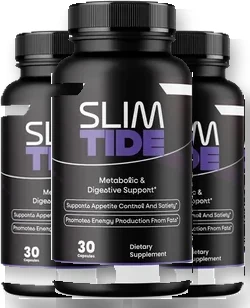
Want appetite control without the high-dose gamble?
If your real problem is hunger and portion size rather than metabolism alone, a single-compound stimulant like berberine is an odd first move. SlimTide pairs gentle metabolic support with plant-fibre appetite control in one daily capsule, and the official store lists the full label, current pricing and the 60-day money-back guarantee.
See the official storeThe side-effect problem nobody puts in the headline
Here is the part the "natural miracle" videos tend to skip. Berberine is usually dosed high — commonly several hundred milligrams two or three times a day, taken with meals — and at those doses the most consistent finding in the research is not weight loss at all. It is gastrointestinal upset. Diarrhea, cramping, constipation, gas and general stomach discomfort are the side effects that come up again and again, precisely because you are asking your gut to process a concentrated botanical multiple times daily.
There is a second, quieter concern. Berberine can affect the liver enzymes responsible for clearing many common medications, which means it carries a real potential for drug interactions. That is not a reason to panic, but it is a reason the "just grab it, it's natural" framing is misleading. Natural does not mean inert, and it certainly does not mean side-effect-free. If you take prescription medication, or you are pregnant or nursing, this is a conversation for a qualified healthcare professional, not a checkout button.
None of this makes berberine worthless. For some people, under the right circumstances, it may offer mild metabolic support. But a supplement whose most reliable effect is loose stools, taken three times a day, watched for drug interactions, is a long way from the effortless "nature's Ozempic" fantasy. Anyone weighing it up deserves the whole label, side effects included.
Three myths about berberine, answered honestly
Scepticism cuts both ways, so rather than simply cheer for one product, here are the three claims that come up most in the berberine conversation and what the fair answer to each really is.
"It's basically the same as Ozempic." It is not. Ozempic is a prescription GLP-1 medication with large-scale evidence and roughly fifteen percent weight loss in trials. Berberine is a supplement with small studies and a few pounds of effect. They do not share a mechanism, a dose response, or an evidence base. The only thing they share is a marketing sentence, and that sentence was written to sell capsules.
"Natural means there are no downsides." Also false. Berberine's headline side effect — frequent digestive upset — is one of the best-documented things about it, and its potential to interfere with how the body processes other drugs is a genuine consideration. "Plant-derived" and "gentle" are not synonyms. Plenty of natural compounds are pharmacologically active, and berberine is one of them.
"One clever ingredient is all you need." This is the deepest myth of the single-ingredient era. Weight is not governed by one lever. Appetite, portion control, energy, sleep and consistency all matter, and a lone metabolic compound touches only a sliver of that. This is exactly why we are more interested in formulas built to address more than one part of the problem — a theme we dig into in our guide to a natural appetite suppressant that actually works.
SlimTide's different bet: appetite plus metabolism
SlimTide starts from a different premise than the berberine crowd. Instead of betting everything on one high-dose compound and hoping metabolism does the heavy lifting, it is built around the part of weight management most people actually lose at: appetite. The formula leans on plant-based fibres such as inulin and resistant starch, which ferment in the gut, slow the pace at which the stomach empties, and support the satiety signalling that tells your brain a meal was enough. On top of that sits gentle, stimulant-free metabolic support, so the two work together rather than pulling one lever in isolation.
The practical difference is how it feels day to day. Berberine's job is to be pharmacologically busy several times a day, side effects included. SlimTide is a once-daily, caffeine-free capsule whose most commonly reported downside is some mild gas or bloating in the first week or two as the gut meets more fibre — the kind of adjustment that usually settles, not a recurring cost. For people who cannot take stimulants, or simply refuse to trade sleep and calm for a sensation, that gentler profile is the entire appeal.
To be clear about the ceiling: SlimTide does not manufacture a calorie deficit for you any more than berberine does. What a good appetite-and-metabolism formula can do is make the deficit you have already chosen feel less like a fight, so you hold it long enough to see a change. If you want to see how it stacks up against the wider field rather than berberine alone, our roundup of the best weight loss pills of 2026 compared lines the categories up side by side, and our honest SlimTide reviews on whether it really works set fair expectations for the results window.
Berberine vs SlimTide at a glance
| Berberine | SlimTide | |
|---|---|---|
| What it targets | Metabolism, via a single plant compound | Appetite and metabolism together, via plant fibres plus gentle metabolic support |
| Evidence | Small, short, often industry-linked trials; a few pounds over ~8 weeks | Fibre-and-satiety mechanism with an honest 8–12 week expectation, not a miracle claim |
| Typical dosing | High dose, two to three times a day with meals | Once daily, caffeine-free capsule |
| Common downside | Diarrhea, cramping, gas; possible drug interactions | Mild gas or bloating in the first week or two as the gut adapts |
| "Nature's Ozempic"? | Marketing shorthand that overstates the effect | Makes no such claim — positioned as a lifestyle aid, not a drug |
Read the table and the framing question changes. It stops being "which one is the natural Ozempic" — because neither is — and becomes "which tool fits the problem I actually have." If your struggle is metabolic and you have cleared it with a clinician, berberine may have a place. If your struggle is hunger, snacking and portion creep, a broader appetite-first formula is the more logical starting point.
A memorable nickname is a marketing asset, not a clinical finding. The honest comparison is not berberine versus Ozempic — it is a single high-dose compound versus a broader, gentler plan you can actually keep.
How to choose between them
Start by naming your real obstacle, because that is what should drive the decision. If you overeat, graze after dinner, or find portion control exhausting, no metabolic compound fixes that directly; you want appetite support, and that is the lane SlimTide is built for. If, instead, your eating is already controlled and you are chasing a metabolic edge, berberine is at least aimed at the right target — just go in with clear eyes about the modest, short-lived evidence and the side-effect and interaction profile, and involve a professional if you take any medication.
Second, weigh the daily reality, not just the headline. A supplement you take once, without jitters and without a bathroom gamble, is one you are far more likely to keep for the full window that actually matters. Consistency beats potency in this category almost every time, because the effect that changes your body is the small, repeatable one you sustain for eight to twelve weeks, not the dramatic one you abandon by week three.
Finally, favour the option with a fair way out. A genuine trial is low-risk when there is a money-back guarantee behind it, because you can run the method properly and still fall back on the terms if your honest verdict comes back negative. That safety net is a big part of why we point readers to the official store for SlimTide's current pricing and guarantee rather than quoting numbers that drift. Set expectations honestly, match the tool to the problem, and the "nature's Ozempic" noise stops mattering.
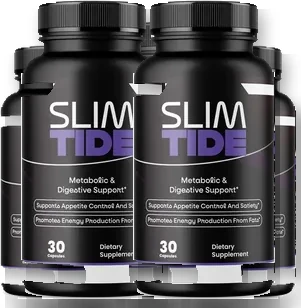
Skip the hype, run a real trial
If the appetite side of eating less is your real battle, a stimulant-free once-daily capsule beats a high-dose gamble. Give SlimTide a proper eight to twelve week window, backed by the 60-day guarantee. Current single, three and six-bottle pricing and the full terms are on the official store.
Order NowRelated reading
Common questions
Is berberine really nature's Ozempic?
No. The nickname is marketing shorthand, not science. Ozempic (semaglutide) is a prescription GLP-1 medication shown in trials to produce roughly fifteen percent body-weight loss. Berberine is a plant compound backed by small, short studies suggesting a few pounds over about eight weeks. Calling it nature's Ozempic overstates a modest effect and ignores the wide gap in the quality and size of the evidence.
Does berberine work for weight loss?
The evidence is thin. Small trials point to roughly five to ten pounds over eight weeks, but the studies are short, low quality and often industry-linked, which is why reviewers at Mayo Clinic and outlets like TIME urge caution. Berberine may offer mild metabolic support, but it is not a proven or reliable weight-loss treatment on its own, and results in the real world are far less dramatic than the headlines.
What are berberine's side effects?
Digestive upset is the most common complaint, including diarrhea, cramping, constipation and gas, largely because berberine is usually taken at high doses two or three times a day. It can also interact with medications by affecting the liver enzymes that clear other drugs. Anyone taking prescription medication, or who is pregnant or nursing, should speak to a qualified healthcare professional before trying it.
Is SlimTide better than berberine?
They are different tools rather than better or worse in every case. Berberine is a single compound aimed narrowly at metabolism, whereas SlimTide is a stimulant-free formula that pairs metabolic support with plant-fibre appetite control in one daily capsule. For people whose main struggle is hunger and portion size, SlimTide's broader, gentler approach tends to fit everyday use more comfortably than high-dose berberine.
References
General information, not medical advice. These statements have not been evaluated by the Food and Drug Administration, and no dietary supplement is intended to diagnose, treat, cure or prevent any disease. Speak to a qualified healthcare professional before changing what you take.
Affiliate link. Slimtidae Health Files earns a commission on purchases made through it, at no extra cost to you. We are not the manufacturer.