Best Time to Take Diet Pills: Timing That Actually Helps
When Is the Best Time to Take Diet Pills?
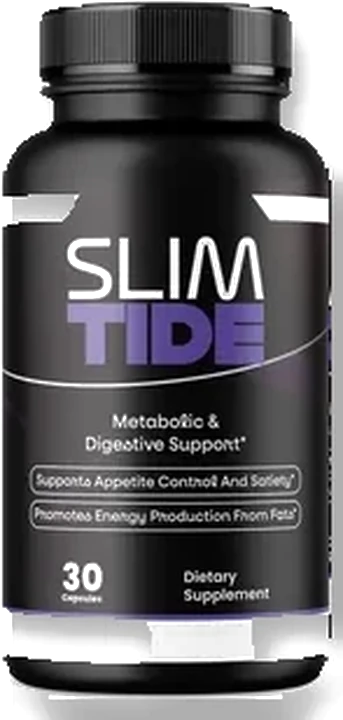
The best time to take diet pills depends on how they work. Appetite and fiber-based pills work best about 30 to 40 minutes before a meal with a full glass of water. Energy formulas suit the morning or pre-workout. A stimulant-free formula like SlimTide adds flexibility because it will not disrupt sleep.
- Appetite support: 30–40 minutes before meals, with water, so fullness builds before you eat.
- Energy formulas: morning or pre-workout only — avoid late-day stimulants that harm sleep.
- Consistency wins: taking it most days at a steady time beats hitting a perfect minute.
Ask ten people the best time to take diet pills and you will get ten confident, contradictory answers, which is a good sign that most of them are guessing. The honest truth is that there is no single clock that fits every product, because the right timing is dictated by what the pill is designed to do. An appetite-support formula and a stimulant fat burner want completely different schedules, and taking one on the other's timetable is how people end up disappointed or wired at midnight. This guide sorts the timing out by mechanism, so you can match the dose to the moment and get the most from whatever you are taking.
Before diving in, one grounding principle worth stating up front: timing is a lever, not the engine. It can meaningfully improve how well a supplement supports you, but it will never rescue a product that does not suit you or a diet that has not changed. With that framing in place, here is how to think about the clock.
Pre-meal timing: the best time to take appetite and fiber pills
For appetite-support and fiber-based products, which is the category SlimTide belongs to, the single most useful timing rule is to take the dose roughly 30 to 40 minutes before a meal, with a full glass of water. The logic is mechanical and easy to follow. Soluble fiber needs a short head start to begin absorbing water, expanding gently, and slowing the pace at which your stomach empties. Give it that half-hour window and the sense of fullness is already building by the time you sit down to eat, which is precisely when you want it, because that is the moment portion sizes and second helpings are decided.
Take the same capsule at the exact moment the plate lands, or worse after you have finished, and you have missed the point. The fullness signal arrives late, after the eating decisions are already made, and the appetite support you paid for goes largely to waste. The water half of the instruction matters just as much as the timing: fiber depends on fluid to do its job comfortably, and a dry dose is the fastest route to the bloating people complain about. Pair the capsule with a proper glass of water every time and you sidestep most of that.
Which meal you target is a personal call. Many people aim the dose at whichever meal is their biggest problem, often dinner or an early-evening slump when snacking runs highest. If your struggle is portion control at your largest meal, timing the pre-meal dose there tends to give the most obvious benefit. To understand why the fiber mechanism responds so well to this pre-meal window in the first place, our explainer on a natural appetite suppressant that works walks through how fullness signalling actually develops.

Morning and pre-workout: timing for energy formulas
Energy or thermogenic formulas play by different rules, because their active job is to lift alertness and metabolic rate rather than to blunt appetite. For these, the morning or the window before a workout is the sweet spot. Taken early, their energy effect lines up with the hours you actually want to feel active, and taken before exercise, they can make a session feel a little easier to push through. The mistake to avoid is obvious once stated: never take a stimulant formula late in the day.
This is where timing crosses over into a real quality-of-life issue. Stimulants such as caffeine have a long tail, and a dose taken in the mid or late afternoon can still be circulating when you are trying to fall asleep. Poor sleep is not a trivial side effect in a weight context, because short or broken sleep is associated with more hunger and worse food decisions the next day. In other words, badly timed stimulants can quietly undermine the very goal they were meant to serve, which is a large part of why we favour a stimulant-free approach on this site in the first place.
Want timing freedom without the sleep trade-off?
Because SlimTide is completely stimulant-free, you can time it around any meal, morning or evening, without risking your sleep. See the current single, three and six-bottle options and the 60-day money-back guarantee on the official store.
See the official storeWhy stimulant-free changes the timing question entirely
Here is where a stimulant-free formula quietly rewrites the rulebook. Most of the anxious debate about the best time to take diet pills, the fretting over cut-off times and afternoon doses, exists only because of stimulants. Remove the caffeine and you remove the reason to police the clock so nervously. SlimTide contains no stimulants at all, which means the one constraint that dominates timing advice for the rest of the category simply does not apply to it.
That gives you a freedom stimulant users do not have. You can take it before breakfast, before lunch or before your evening meal, whichever fits your routine, without worrying that an evening dose will leave you staring at the ceiling. The only remaining timing consideration is the useful one, matching the dose to a meal so the appetite support lands when you eat. That is a preference to optimise, not a hazard to avoid. This flexibility also makes the habit far easier to keep, and consistency is ultimately what drives results, a point we go into fully in our piece on how long SlimTide takes to work.
With food or empty stomach? And how many doses a day?
Two practical questions round out the timing picture, and both have the same first answer: read the label, because it was formulated deliberately. On the with-food-or-not question, products differ. Some are designed to be taken with a meal to aid absorption or to reduce the chance of nausea, while appetite-focused fiber pills are often taken shortly before eating with water so they can promote fullness as the meal arrives. If a particular supplement tends to unsettle your stomach when taken on an empty one, moving it to a meal almost always helps. When a label gives no guidance, taking a fiber-based formula with or just before food is the safer default.
On dosing frequency, the same rule holds. Many appetite-support products are once daily, while others split the dose across two meals to spread the effect through the day. That split is not just about coverage; it can genuinely ease digestion, because taking a smaller amount of fiber at any one time lowers the fermentation load and reduces the gas or bloating a sensitive stomach might otherwise feel. What you should never do is exceed the labeled amount chasing faster results. More is not better here. It does not accelerate fat loss and it does reliably raise the odds of digestive discomfort. If splitting doses to manage tolerance interests you, our related coverage of how diet supplements fit into a weight loss plan puts the practice in a wider context.
A simple timing cheat sheet
The table below distils the whole approach into something you could pin to a fridge, sorted by the type of product you are holding.
| Product type | Best timing | With food? | Watch out for |
|---|---|---|---|
| Fiber / appetite support | 30–40 min before a meal, with water | Just before food; with food if sensitive | Dry dosing without enough water |
| Stimulant-free (SlimTide) | Around any meal, morning or evening | With or just before a meal | Little — no sleep constraint to manage |
| Energy / thermogenic | Morning or pre-workout | Follow the label | Late-day doses that wreck sleep |
| Split-dose formulas | Across two meals | Follow the label | Doubling up to "catch up" a missed dose |
The perfect dose taken sporadically loses to a good-enough dose taken every day. Pick a time you can actually keep, then keep it.
Why consistency beats perfect timing
If you take only one idea from this article, make it this one, because it is the thing the timing-obsessed forums always miss. The exact minute you swallow the capsule matters far less than whether you take it at all, day after day. A supplement works by building an effect over weeks, and that only happens when the dose is a reliable part of your routine. Someone who takes their pill at a slightly imperfect time every single day will outperform someone who chases the theoretically optimal window but forgets it three days out of seven.
The practical move, then, is to attach the dose to an anchor you never skip. Tie it to a meal you always eat, keep the bottle where you will see it at that moment, and let the routine carry the timing for you. This is another quiet advantage of a stimulant-free formula: because there is no cut-off time to worry about, you can build the habit around whatever meal is most dependable in your day, rather than forcing it into a narrow morning window. The easier the habit is to keep, the more likely you are to run a fair, full trial, and a fair trial is the only kind worth running.
So the best time to take diet pills, properly answered, is the intersection of two things: the window that suits the product's mechanism, and the moment you can realistically hit every day. For a fiber-based, stimulant-free formula like SlimTide, that lands on a simple, forgiving rule. Take it around 30 to 40 minutes before your most challenging meal, with a full glass of water, at roughly the same time each day. Get that habit in place and you have done the meaningful part of timing. The rest is just showing up.
Build a routine you can actually keep
A stimulant-free formula makes daily consistency easy because there is no wrong time of day. See current pricing across the single, three and six-bottle options and the 60-day money-back guarantee on the official store.
Order NowRelated reading
Common questions
When is the best time to take diet pills?
It depends on how the product works. Appetite-support and fiber-based pills are best taken about 30 to 40 minutes before a meal with a full glass of water, so fullness builds before you sit down to eat. Energy or thermogenic formulas are best taken in the morning or before a workout, and never late in the day if they contain stimulants. A stimulant-free formula like SlimTide gives you more freedom because it will not disrupt sleep, but the same pre-meal timing still gets the most from its appetite support. Consistency most days matters more than hitting the exact minute.
Should I take diet pills with or without food?
Check the label first, because the right answer differs by product. Some supplements are designed to be taken with food to improve absorption or reduce nausea, while appetite-focused fiber pills are often taken shortly before a meal with water so they can promote fullness as you eat. If a product tends to upset your stomach on an empty stomach, taking it with a meal usually helps. When a label is silent, taking it with or just before food is the safer default for most fiber-based formulas.
Can I take a weight loss supplement at night?
It depends entirely on the ingredients. If the product contains caffeine or other stimulants, taking it at night is a bad idea because it can disrupt sleep, and poor sleep works against weight goals. If the product is stimulant-free, like SlimTide, an evening dose will not keep you awake, so it can be timed around your evening meal if that suits your routine. The best guide is still to align the dose with a meal and to keep the timing consistent from day to day.
How many times a day should I take it?
Follow the label, because dosing schedules are formulated for a reason. Many appetite-support supplements are once daily, while others are split across two meals to spread the effect and ease digestion. Splitting a dose can also reduce stomach upset for sensitive people by lowering the fiber load taken at any one time. Do not exceed the labeled amount in the hope of faster results, since more is not better and simply raises the chance of digestive side effects. Consistency across the day matters more than the number of doses.
References
General information, not medical advice. These statements have not been evaluated by the Food and Drug Administration, and no dietary supplement is intended to diagnose, treat, cure or prevent any disease. Speak to a qualified healthcare professional before changing what you take.
Affiliate link. Slimtidae Health Files earns a commission on purchases made through it, at no extra cost to you. We are not the manufacturer.