Diet Supplements for Weight Loss: A Guide
Do Diet Supplements Really Help With Weight Loss?
Sometimes, within limits. The best diet supplements for weight loss support a calorie deficit by curbing appetite, adding fibre or steadying energy — they do not replace it. Match the ingredient to your goal, favour transparent labels over junk blends, and expect support rather than miracles, judged honestly at eight to twelve weeks.
- No supplement replaces a calorie deficit — it only makes holding one a little easier.
- Prioritise evidence-backed ingredients and transparent labels over exotic proprietary blends.
- Recheck at 8–12 weeks against a baseline; expect support, not a miracle.

What diet supplements for weight loss actually do
The shelf is overwhelming on purpose. There are thousands of diet supplements for weight loss competing for your attention, the category pulls tens of thousands of searches every month, and almost every bottle implies the same thing: take me and the weight comes off. Before you spend a penny, it helps to replace that implied promise with an accurate one, because the accurate version is the only one you can actually build a plan around.
Here is the truth the best sources agree on. Weight loss happens when you burn more energy than you take in — a calorie deficit — and no capsule rewrites that arithmetic. What a good supplement can do is act on the levers that make a deficit hard to sustain: hunger, portion size, fibre intake, energy dips, and the general willpower tax of eating less. If a product blunts your appetite enough that you eat two hundred fewer calories a day without feeling deprived, that is a real, compounding help. It is just help, not magic, and the difference matters.
Framing it this way is not a downgrade; it is the thing that makes supplements useful instead of disappointing. People who expect a pill to do the work get nothing and feel cheated. People who treat a supplement as one support bolted onto a genuine change in eating and movement give it a fair chance to earn its place. Everything else in this guide — which ingredients, which labels, which timelines — flows from that single honest starting point.
Match the ingredient to the goal: appetite, fibre, metabolism
The biggest mistake shoppers make is buying a category ("a fat burner") instead of a solution to their specific obstacle. The smarter move is to name the thing that actually derails you and then choose an ingredient that addresses it. Broadly, there are three obstacles worth matching against.
Appetite and portions. If your problem is hunger, grazing, and portions that creep up, you want appetite support. Soluble plant fibres such as inulin and resistant starch are the workhorses here: they ferment in the gut, slow how quickly the stomach empties, and support the fullness signalling that tells your brain a meal was enough. Protein plays a similar role in whole-food form. This is the most common obstacle by far, and the one with the most believable supplement mechanism — we cover it in depth in our guide to a natural appetite suppressant that actually works.
Fibre intake. Most people eat nowhere near the thirty grams of varied fibre a day that supports digestion and satiety. If your diet is light on vegetables, legumes and whole grains, a fibre-forward supplement is doing double duty — supporting fullness and filling a genuine dietary gap. This is the least glamorous ingredient category and one of the most quietly worthwhile.
Energy and metabolism. If your eating is already controlled but you feel flat and struggle to stay active, gentle metabolic and energy support may help you keep moving, and movement is where much of the real expenditure lives. The caution here is stimulants: many "metabolism" products are just caffeine in disguise, which is fine for some and a genuine problem for others. Match honestly, and do not reach for a jolt you do not need.
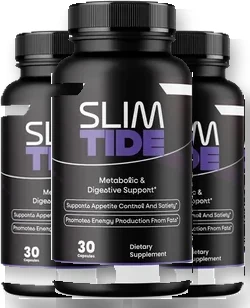
If appetite is your obstacle, start there
SlimTide matches the most common obstacle — hunger and portion size — with plant-fibre appetite support in one stimulant-free daily capsule, plus gentle metabolic support. The official store lists the full label, current single, three and six-bottle pricing, and the 60-day money-back guarantee.
See the official storeThe ingredients worth your money, and the junk to skip
Once you have named your obstacle, ingredient selection gets much simpler, because you can ignore the ninety percent of the aisle that does not address it. As a rule, the ingredients worth your money are the boring, well-studied ones at honest doses: soluble fibres for fullness, protein to preserve muscle while you are in a deficit, and a small number of metabolic supports with real evidence behind them. None of these are exciting, and that is precisely the point — the flashy compounds are usually flashy because the marketing is doing the work the ingredient cannot.
The junk falls into a few predictable buckets. There are the exotic single-compound "miracles" that trend for a season on the strength of a couple of tiny studies and a catchy nickname, then quietly disappear. There are the kitchen-sink formulas that list twenty-five actives, almost all "fairy-dusted" in amounts too small to matter. And there are the stimulant stacks that create a buzz you mistake for effectiveness while doing little for actual appetite or fat. A short list at meaningful doses beats a long list at trace amounts, every single time.
One more filter: be wary of any ingredient sold mainly on the promise that it works without any change to your diet. That claim contradicts the arithmetic of weight loss and is the clearest signal that you are being sold hope rather than help. The credible pitch is always some version of "this makes the hard part easier," never "this replaces the hard part." If you want a sense of how the honest options stack up against each other, our roundup of the best weight loss pills of 2026 compared puts the categories side by side.

How to read a label and avoid junk blends
The label is your defence against everything above, so treat the supplement facts panel as the real product and the front of the box as advertising. Three habits will keep you out of trouble. First, insist on disclosed doses: if the label hides its actives inside a single "proprietary blend" number, you cannot tell whether the good ingredient is present in a useful amount or just a decorative pinch, and you should assume the latter. Second, scan for stimulants under all their aliases if you want to avoid them, because they are often the quiet engine behind a "metabolism" claim. Third, look for third-party testing, which is one of the few signals that someone independent has checked what is actually in the bottle.
Alongside the panel, weigh the manufacturer's posture. A maker who discloses doses, states clearly whether the product is stimulant-free, and backs it with a real money-back guarantee is behaving like a company that expects you to keep buying because the product helped — not because you were dazzled once. That posture is worth paying a modest premium for, because it lowers your risk and signals confidence. Safety-wise, remember that "natural" is not a synonym for "harmless," and that some ingredients interact with medication; our guide to common weight loss supplement side effects walks through what to watch for and when to check with a professional.
A simple framework: goal, ingredient, expectation
| Your main obstacle | Ingredient type to match | What to realistically expect |
|---|---|---|
| Hunger, grazing, big portions | Soluble plant fibres (inulin, resistant starch); protein from food | Smaller portions feel like enough; easier deficit over weeks, not days |
| Low daily fibre intake | Fibre-forward supplement plus more vegetables and legumes | Better fullness and digestion; a genuine dietary gap filled |
| Flat energy, hard to stay active | Gentle metabolic support; stimulant only if you tolerate it | Slightly steadier energy to keep moving; no fat-melting shortcut |
| Can't take stimulants / value sleep | Explicitly stimulant-free, caffeine-free formula | Appetite support without jitters; mild early bloating that settles |
Notice what the framework quietly rules out: stacking five products at once. If you match one supplement to your single biggest obstacle, you can actually tell whether it is working. Pile on four at the same time and you have built a test that can never give you a clean answer, while quadrupling the cost and the side-effect surface. One variable at a time is not just tidier — it is the only way to learn anything.
Three myths worth clearing up
Scepticism is the right instinct, so here are the three beliefs that most often lead people astray, answered honestly.
"There must be a supplement that works without dieting." There is not, and any product that leans on that promise is the one to avoid. The most a supplement can do is make a deficit easier to keep; it cannot create one out of nothing. Internalise that and you stop wasting money on the products that oversell hardest.
"More ingredients means a better product." Usually the opposite. A twenty-five-ingredient label is a near-guarantee that most actives are present in token amounts. Formulation is about doing a few things at meaningful doses, not sprinkling a little of everything. Length impresses shoppers; doses change outcomes.
"If I don't see results in two weeks, it doesn't work." Two weeks measures the adjustment period, not the supplement. Appetite and digestive changes often appear first, within a fortnight or so, but scale and fit changes follow a slower clock and depend heavily on your diet and activity. Judging at day fourteen is measuring the wrong thing, which is exactly the trap we unpack in our honest SlimTide reviews on whether it really works.
Choosing a diet supplement well is unglamorous by design: name your obstacle, match one honest ingredient to it, read the label, and give it eight to twelve weeks against a baseline you wrote down. Everything flashier is usually a distraction.
Set a realistic timeline, then recheck
The final piece is patience with a deadline. Weight management runs on an eight-to-twelve week clock, not an eight-day one, so build your trial around that reality. Write down a baseline before you start — weight, measurements, how clothes fit, how hungry you feel between meals. In the first two to three weeks, expect appetite and digestive changes rather than dramatic scale movement, and expect a fibre-based product to cause some mild gas or bloating that usually settles as your gut adapts. The readable middle arrives around weeks four to six, and the honest verdict at week eight or later.
At that checkpoint, compare against your baseline and make a clear decision: keep what earned its place, drop what did not. This is where a money-back guarantee stops being a marketing line and becomes practical insurance — it lets you run the full window and still recover your money if the honest answer is no. Because supplements are not FDA-approved to treat obesity and are not vetted for effectiveness in advance, that combination of a recorded baseline, a realistic window and a guarantee is the closest thing you have to a personal clinical trial. If you are pregnant, nursing, taking medication or managing a health condition, add one more non-negotiable step and speak to a qualified healthcare professional before you start.
Do all of that and diet supplements for weight loss stop being a gamble and become a tool you use deliberately. Match the ingredient to your obstacle, insist on a transparent label, skip the junk blends and stimulant traps, and judge the result honestly on a realistic timeline. Choose that way and whichever supplement you pick — a stimulant-free appetite aid like SlimTide included — gets its fairest possible chance to help.
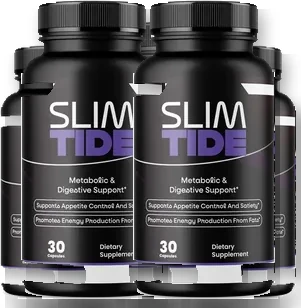
Test one honest choice, properly
If appetite is your obstacle and you want a stimulant-free, transparently labelled supplement to trial the right way, give SlimTide a full eight to twelve week window backed by the 60-day guarantee. Current pricing and the complete terms are on the official store.
Order NowRelated reading
Common questions
Do diet supplements really help with weight loss?
They can help, but they do not replace a calorie deficit. The most useful diet supplements for weight loss support the process by curbing appetite, adding fibre or steadying energy, so a deficit you have already chosen is easier to hold. On their own, with no change to diet or activity, expect very little. Think of them as support, not a shortcut, and judge them over a realistic window.
Which diet supplement ingredients are worth it?
The most credible ingredients are the unglamorous ones: soluble plant fibres such as inulin and resistant starch for fullness, protein to preserve muscle in a deficit, and a few well-studied metabolic supports at honest doses. Be sceptical of exotic single-compound miracles. Match the ingredient to your actual obstacle, whether that is appetite, fibre intake or energy, rather than chasing whichever compound is trending.
Are diet supplements safe?
Most well-made, transparent supplements are well tolerated by healthy adults, though stimulant-heavy products carry more risk. Fibre-based options may cause mild gas or bloating at first that usually settles as the gut adapts. Because supplements are not FDA-approved and some can interact with medication, anyone pregnant, nursing or managing a health condition should speak to a healthcare professional before starting.
How do I choose a diet supplement?
Start by naming your main obstacle, then match one supplement to it rather than stacking many at once. Favour transparent labels with disclosed doses, third-party testing and a money-back guarantee, avoid junk proprietary blends, and set a realistic timeline. Judge the result honestly at eight to twelve weeks against a baseline you recorded before starting, and keep only what earns its place.
References
General information, not medical advice. These statements have not been evaluated by the Food and Drug Administration, and no dietary supplement is intended to diagnose, treat, cure or prevent any disease. Speak to a qualified healthcare professional before changing what you take.
Affiliate link. Slimtidae Health Files earns a commission on purchases made through it, at no extra cost to you. We are not the manufacturer.