Weight Loss Supplement Side Effects: What to Expect and How to Avoid Them
What Are the Side Effects of Weight Loss Supplements?
Most weight loss supplement side effects come from one of two sources. Fiber-based products can cause bloating, gas or loose stools when fluid is low, while stimulant burners cause jitters, a fast heartbeat and poor sleep. Both are usually mild, temporary and easy to manage with the right approach.
- Fiber effects are digestive — bloating and gas that ease as the gut adapts and you hydrate well.
- Stimulant effects are systemic — jitteriness, racing heart and disrupted sleep from caffeine and similar compounds.
- Stimulant-free formulas skip a whole category of risk, which is the core reason SlimTide leaves caffeine out entirely.

Search for a way to lose a few pounds and the shelves, physical and digital, fill up fast. What almost nobody prints in large type is the flip side of the promise: weight loss supplement side effects are real, they are common, and most of them are predictable enough that you can plan around them before the first capsule. This guide walks through what actually tends to go wrong, why it happens, and how a stimulant-free formula changes the math. No scare tactics and no miracle framing, just an honest map of where the discomfort comes from and what to do about it.
The single most useful idea to hold onto is that a supplement's side effects are not random. They are a shadow cast by its ingredients. Once you know whether a product leans on plant fiber, on stimulants, or on some mix of the two, you can predict the kind of trouble it might bring and, more importantly, how to soften it. Everything below is organised around that one principle.
The two families of weight loss supplement side effects
Strip away the marketing and the crowded category of diet products sorts into two broad mechanisms. The first works on your appetite and digestion, usually through soluble fiber. The second works on your metabolism and energy, usually through stimulants. Each family has its own signature set of side effects, and confusing one for the other is where a lot of the online panic comes from.
Fiber-based products, including the plant-fiber approach behind SlimTide, aim to make you feel full sooner and stay full longer. The side effects here are digestive and local: gas, bloating, a feeling of fullness that can tip into discomfort, and sometimes looser or more frequent stools while your gut adjusts to processing more fermentable fiber. They are rarely dangerous. They are the sort of thing that makes a first week slightly uncomfortable and then fades.
Stimulant-based products, often sold as thermogenic or fat-burner formulas, aim to lift your metabolic rate and energy. Their side effects are systemic and reach well beyond the gut: jitteriness, a racing or pounding heartbeat, elevated blood pressure, anxiety, headaches, and disrupted sleep if taken too late in the day. For people who are sensitive to caffeine, or who already get plenty from coffee, these can be genuinely unpleasant. This is the family that generates most of the alarming stories.
Fiber side effects: bloating, gas, and how to sidestep them
If you have ever suddenly added a big salad or a bowl of beans to a low-fiber diet and regretted it a few hours later, you already understand the mechanism. Soluble fiber is fermented by the bacteria in your gut, and fermentation produces gas. That is not a malfunction; it is the fiber doing exactly what it is supposed to do. The discomfort comes from doing too much of it too quickly, before your microbiome has scaled up to handle the load.
The good news is that this is the most controllable category of side effect there is. Three levers handle almost all of it. First, start low. If a label allows it, ease in rather than jumping to a full dose on day one, and let your gut catch up over a week or two. Second, hydrate properly. Fiber draws in water to do its job, and when fluid is short, the result is the bloating and sluggishness people complain about. Aim to drink consistently through the day, not just at the moment you take the capsule. Third, be patient through the adjustment phase, because the gas and bloating that peak in the first several days usually settle noticeably by the end of the second week as your microbiome adapts.
Two smaller adjustments help sensitive stomachs further. Taking the supplement with food rather than on an empty stomach blunts nausea for some people, and splitting a daily dose across two meals spreads the fermentation load instead of concentrating it. None of this is exotic. It is the same common-sense playbook a dietitian would give anyone increasing their fiber intake, and it is why the fiber route tends to be the gentler of the two families once you get past the first fortnight.
It is worth being clear-eyed about the trade here, because honesty is the point of this whole article. A fiber-based supplement asks you to accept a few days of digestive adjustment in exchange for appetite support with no stimulant load. For most healthy adults that is an easy trade, but it is still a trade, and anyone promising a fiber product with zero possibility of gas is not being straight with you. If you want to understand which specific fibers are doing the work and why they are chosen, our breakdown of the SlimTide ingredients and what each one does goes through the formula piece by piece.
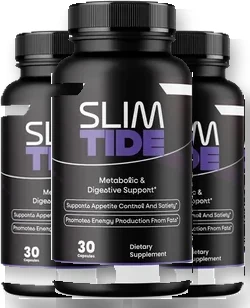
Want appetite support without the stimulant side effects?
SlimTide is built on plant fiber and contains no caffeine at all, which removes the jitters, racing heart and sleep problems that come with stimulant burners. The official store carries the full label, current pricing and the 60-day money-back guarantee.
See the official storeStimulant side effects: jitters, racing heart, and ruined sleep
The other family is where the real horror stories live, and it deserves a frank look. Stimulant fat burners work by nudging your nervous system and metabolic rate upward, typically with caffeine, sometimes stacked with compounds like synephrine, yohimbine or green tea extract standardised for potency. When they work, you feel energetic and your appetite dips. When they are too strong for you, or you take too much, that same activation shows up as side effects.
The classic cluster is jitteriness and a racing or pounding heartbeat, sometimes with a noticeable rise in blood pressure. Layered on top can be anxiety or a wired, on-edge feeling, headaches, sweating, and for many people the most disruptive effect of all: wrecked sleep. A stimulant taken in the afternoon can still be circulating when you are trying to fall asleep, and poor sleep quietly undermines the very weight goal you were chasing, because short sleep is associated with more hunger and worse food choices the next day. It is a self-defeating loop that a lot of stimulant users never connect back to the pill.
None of this means stimulant products are inherently dangerous for everyone, but it does mean they carry a risk profile you cannot fully hydrate your way out of. The people who should be most cautious are those who are caffeine-sensitive, who have any heart or blood-pressure concern, who are prone to anxiety, or who already drink a lot of coffee and would be stacking a second big dose on top. If you are weighing the broader category, our guide to over-the-counter weight loss pills and how they differ lays out where stimulant and non-stimulant options sit relative to one another.
Do appetite suppressants cause jitters? A common myth, answered
Here is one of the most persistent misunderstandings in this space, and clearing it up changes how you shop. People assume that anything which suppresses appetite must be a stimulant, and therefore must cause jitters. That is simply not how it works. Jitters come from the stimulant, not from the appetite suppression. They are two separate mechanisms that happen to be bundled together in the popular fat-burner format.
Appetite can be supported in a completely non-stimulant way. Soluble plant fibers promote fullness by expanding gently, slowing how quickly the stomach empties, and feeding the gut signalling that tells your brain a meal was enough. There is no caffeine involved and no nervous-system activation, which is exactly why a fiber-based appetite aid does not leave you wired. So when someone asks whether appetite suppressants cause jitters, the honest answer is: only the ones that also contain stimulants. Remove the stimulant and you remove the jitters, while keeping the appetite support. That distinction is the entire design philosophy behind a stimulant-free formula, and it is worth reading a genuinely natural appetite suppressant that works without stimulants to see the approach spelled out in full.
Why a stimulant-free formula like SlimTide reduces the risk
Once you see the category split cleanly into two families, the logic of a stimulant-free product becomes obvious. By leaving caffeine and other stimulants out entirely, SlimTide does not merely reduce that second family of side effects; it removes the mechanism that causes them. There is no stimulant to make your heart race, nothing to keep you up at night, and no afternoon crash to ride out. What remains is the gentler, more manageable fiber family, and that is a category of side effect you can actively control with dose and hydration.
This is not a claim that SlimTide is completely free of any effect. That would be the kind of overpromise this article exists to warn against. A plant-fiber supplement can still cause mild, temporary bloating or gas in the first week or two, particularly if you do not drink enough water. The honest framing is that stimulant-free narrows the risk down to the small, self-limiting, well-understood end of the spectrum, and away from the systemic effects that make some people quit fat burners in the first week. For anyone who is caffeine-sensitive, takes their supplement later in the day, or simply does not want to trade sleep for a sensation of energy, that trade-off is the whole appeal.
It also fits how weight change actually happens. The strongest, best-evidenced levers are diet, activity and sleep. A supplement is a supporting player, and a supporting player that costs you your sleep is working against the very outcome you want. Removing stimulants keeps the support without the self-sabotage, which is a quietly important reason the stimulant-free approach makes sense for a product meant to be taken consistently over months rather than in short, aggressive bursts.
How to start smart, and when to stop
Whatever you choose, the way you begin shapes how many side effects you feel. A sensible starting protocol looks the same across most fiber-based products. Begin at the lower end of the dose if the label allows, drink water steadily throughout the day, take the capsule with a meal if your stomach is sensitive, and give the whole thing a fortnight before you draw any conclusions, because the first several days are an adjustment period rather than a verdict. If you want to be systematic, it helps to change only one thing at a time so you can actually tell what is causing what.
The table below sorts the common effects by which family they belong to, how serious they usually are, and the practical move that addresses each one.
| Side effect | Usual source | Severity | What to do |
|---|---|---|---|
| Bloating and gas | Fermentable fiber | Mild, temporary | Start low, hydrate, wait out the first two weeks |
| Loose or frequent stools | Fiber and water balance | Mild, temporary | Reduce dose briefly, then build back up gradually |
| Nausea | Empty-stomach dosing | Mild | Take with food; split the dose across meals |
| Jitters and racing heart | Stimulants | Moderate | Avoid stimulant formulas; choose stimulant-free |
| Poor sleep | Late-day stimulants | Moderate | Remove stimulants or dose only early morning |
Knowing when to stop matters just as much as knowing how to start. Mild digestive adjustment in the first week or two is expected and usually not a reason to quit. But some signs are. Stop and consult a doctor if you experience a severe or persistent reaction, chest discomfort or heart palpitations, an allergic response such as swelling or a rash, or any symptom that is getting worse rather than better over time. Anyone who is pregnant or nursing, takes prescription medication, or is managing a health condition should speak with a qualified healthcare professional before starting any supplement, because a general article can never account for your individual situation.
A supplement's side effects are a shadow of its ingredients. Read the label first, and most of the surprises disappear before they happen.
Put together, the picture is far less frightening than the internet suggests. Weight loss supplement side effects are mostly mild, mostly predictable, and mostly tied to two mechanisms you can now identify at a glance. Fiber asks for patience and water. Stimulants ask for caution and, for many people, avoidance. Choosing a stimulant-free, fiber-based formula is one of the simplest ways to keep your experience in the manageable half of that split, which is exactly why it anchors the approach we cover across this site. For the wider context on how supplements fit alongside diet and activity, our guide to diet supplements for weight loss puts the whole category in perspective.
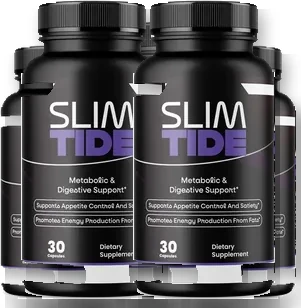
Skip the jitters. Keep the support.
If the stimulant side effects are what put you off diet pills, a stimulant-free, plant-fiber formula is built for you. See the current single, three and six-bottle options and the 60-day money-back guarantee on the official store.
Order NowRelated reading
Common questions
What are the side effects of weight loss supplements?
It depends almost entirely on what is inside. Fiber-based products most often cause gas, bloating or loose stools in the first week or two, usually when fluid intake is low. Stimulant-based fat burners tend toward jitteriness, a racing or pounding heartbeat, headaches, anxiety and disrupted sleep. Some people also report nausea if a supplement is taken on an empty stomach. Most of these effects are mild, predictable and manageable, and they ease as your body adapts or when you adjust dose, timing and hydration.
Do appetite suppressants cause jitters?
Only the stimulant-based ones do. Jitters, a fast heartbeat and shakiness come from stimulants such as caffeine, synephrine or their botanical sources, not from appetite suppression itself. An appetite-support product built on plant fibers works by promoting fullness and slowing stomach emptying, so it does not carry that stimulant load. If a suppressant leaves you wired, the culprit is the stimulant content, and a stimulant-free formula removes that mechanism entirely.
How do I reduce supplement stomach upset?
Start with a lower dose and build up over a week or two so your gut can adapt to the extra fiber. Drink plenty of water throughout the day, because fiber needs fluid to move comfortably. Take the capsule with food if you are sensitive, and consider splitting the dose across two meals rather than taking it all at once. Give any adjustment phase a couple of weeks before judging it, and if discomfort is severe or persistent, stop and speak with a healthcare professional.
Are stimulant-free supplements gentler?
For most people, yes, in a specific way. Removing stimulants removes the entire category of side effects tied to them: no jitters, no racing heart, no afternoon crash, no wrecked sleep. That is why stimulant-free formulas like SlimTide suit people who are caffeine-sensitive or take it in the evening. It does not make a product completely side-effect free, since fiber can still cause mild, temporary digestive changes, but it narrows the risks to ones you can manage with hydration and a gradual start.
References
General information, not medical advice. These statements have not been evaluated by the Food and Drug Administration, and no dietary supplement is intended to diagnose, treat, cure or prevent any disease. Speak to a qualified healthcare professional before changing what you take.
Affiliate link. Slimtidae Health Files earns a commission on purchases made through it, at no extra cost to you. We are not the manufacturer.