Hydration Rules for Bulking Fibre: Gut Health Supplement Pills and Water
Quick Answer: How Much Water With Fibre Pills?
Take bulking fibre with a full glass of water — about 8 to 10 fluid ounces, or 240 to 300 ml — and drink a second glass within the following hour. The fibre works by holding water and forming a soft gel in the gut, so if the water is not there, you get the heaviness and the sluggish stool without the part you were after. Across a whole day, general reference intakes for total water sit near 3.7 litres for men and 2.7 litres for women from all drinks and food combined, and a fibre supplement is a reason to sit at the upper end of your normal range rather than the lower.
- One full glass with the dose, never a sip to wash it down.
- A second glass inside the hour, because the gel forms downstream, not in your mouth.
- Total fluid across the day matters more than any single glass you drink.

Why bulking fibre needs water in the first place
A bulking fibre is not digested in the way a protein or a starch is. It passes through the stomach and small intestine largely intact, and while it travels it does two things. It draws water into itself, swelling into a soft, viscous mass that takes up space and slows the rate at which the stomach empties. Then, in the colon, resident bacteria ferment part of it into short-chain fatty acids, which is where most of the interesting research on prebiotic fibre and appetite signalling sits.
Both of those steps assume water is available. Give the fibre plenty and it forms the soft, bulky, easily moved material it is supposed to form. Give it very little and you have added dry, water-hungry matter to a system that was already short. The result is the complaint that shows up again and again from people who start a fibre product and stop within a fortnight: a heavy, stuck, uncomfortable feeling, and stool that is harder to pass than it was before they started. That is not usually the fibre being wrong for them. It is the fibre doing exactly what it does, with nothing to do it with.
This is also why the instruction on the back of almost every fibre product says to take it with a full glass of liquid. It is not a legal formality. It is the one variable that most reliably separates a comfortable first month from an abandoned bottle.
The working numbers: how much water per dose
The honest starting point is that there is no precisely validated millilitres-per-gram ratio for fibre supplements. What exists is a practical convention, repeated across product labels and clinical dietetic advice, of roughly one 8-ounce glass per dose, and it holds up well in practice. Build from there:
- With the dose: 8–10 oz (240–300 ml). Enough to swallow comfortably and to start the process.
- Within the next hour: another 8 oz. This is the glass people skip, and it matters more than the first.
- Across the day: aim for pale-straw urine and no long dry stretches. General adequate-intake figures for total water are about 3.7 L a day for adult men and 2.7 L for adult women, including the water in food, which supplies roughly a fifth of it.
Those daily figures are population reference values, not a personal prescription. Body size, climate, activity, medication and health conditions all move them. Anyone on a fluid restriction for a heart or kidney condition should treat all of this as a conversation to have with their own doctor, not a target to hit.

Gut health supplement pills versus powders: the water gap
Here is the practical wrinkle nobody warns you about. Gut health supplement pills and fibre powders contain much the same material, but they produce completely different drinking behaviour. A powder forces you to make a drink: you stir several grams of inulin or husk into a glass, and by the time you have finished it you have taken 250 ml of water whether you meant to or not. A capsule asks for nothing. It goes down with a mouthful, and a mouthful is perhaps 30 ml.
So the same person, taking the same fibre, ends up eight times better hydrated on the powder purely because of the delivery format. That gap is the single most common reason capsules get blamed for discomfort that powders escape. If you have chosen capsules — and there are good reasons to, from taste to travel to the simple fact that you will actually keep taking them — then the glass of water has to be a deliberate part of the routine rather than something you assume happened.
It is worth saying that this cuts both ways. Anyone comparing the best gut health daily supplement options on convenience alone should factor in that a capsule's convenience is partly borrowed: it removes the drink, and then you have to add the drink back yourself.
Looking at a fibre-based formula rather than a fat burner?
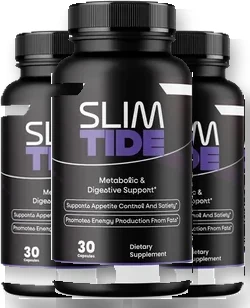
SlimTide is a stimulant-free capsule built around prebiotic fibre and live cultures — the kind of thing people mean when they search for the best fiber supplement for gut health and weight loss. The official store is where the current label and pricing live.
See the official storeA form-by-form guide to the glass
Not every fibre behaves the same way in water, and the differences change how quickly you need to drink and how much. The table below is a practical summary rather than a dosing instruction — always follow the label on the product in front of you.
| Form | Typical serving | Fluid to take it with | Why that amount |
|---|---|---|---|
| Capsules (blended prebiotic fibre) | 1–2 capsules | 8–10 oz, plus a second glass within the hour | The shell has to dissolve before the fibre hydrates, so the water needs to already be there |
| Inulin or chicory root powder | Around 3–5 g | 8–12 oz stirred in | Disperses easily and does not gel much in the glass, but still draws water in the gut |
| Psyllium husk | Around 3–5 g | 8–12 oz, drunk promptly | Gels fast; left standing it thickens in the glass and becomes unpleasant to drink |
| Resistant starch | Around 5–10 g | 8 oz | Much less viscous, so the water is mainly for the fermentation stage lower down |
| Whole-food fibre (beans, oats, vegetables) | Varies with the meal | A normal drink with the meal | The food arrives with a good deal of its own water already in it |
When you drink it matters as much as how much
Two litres consumed in one sitting is not the same as two litres spread over sixteen hours, and the gut cares about the difference. Fibre is in transit for many hours. The water it can use is the water present in the tract while it travels, which means a steady supply beats a single flood.
A workable pattern for a once-daily capsule looks like this. A full glass with the dose. A second glass within the hour. Then a normal drink at each meal and one between meals, which for most people is enough to keep everything moving without turning hydration into a project. If you take a dose in the evening, be aware you are asking the fibre to travel through the night on whatever fluid you took with it, and that is usually the least well-hydrated stretch of the day.
There is one timing trap worth naming. Some people, having read that fibre and water go together, drink a very large volume all at once with the dose and nothing afterwards. That mostly results in a trip to the bathroom and no lasting benefit, because the excess is excreted long before the fibre reaches the colon.
Signs you are under-watered on fibre
The body gives fairly clear feedback here, and it arrives before anything becomes a real problem.
- Stool that is harder or more pellet-like than before you started. This is the classic signature of bulk without fluid.
- Straining, or a sense of incomplete emptying.
- A high, heavy fullness that sits above the navel and does not shift after a few hours.
- Dark urine alongside any of the above.
- Headache or flatness in the afternoon, which is often plain under-hydration rather than the supplement at all.
Gas on its own is a different signal. Gas is fermentation, and fermentation is the fibre being used by your bacteria. It is uncomfortable, it usually settles over two to three weeks, and more water will not remove it. If discomfort rather than dryness is your main problem, the lever to pull is dose size and timing, which we cover in detail in splitting doses to cut stomach upset.
If a fibre supplement leaves you more blocked up than you were before you started, the answer is almost never more fibre. It is more water, or less fibre, in that order.
What water cannot fix
Hydration is the cheapest and most reliable adjustment available, and it is also routinely oversold. Being straight about the limits:
It will not stop fermentation gas. That is bacterial activity in the colon, not dryness. Drinking more will not shorten the adaptation period.
It will not make a fibre supplement a weight-loss treatment. Fibre may support satiety and steadier post-meal glucose, and there is reasonable human evidence for those mechanisms, but no capsule and no glass of water substitutes for the underlying diet. Nothing in this category treats, cures or prevents a disease, and any product marketed as though it does is telling you something about the marketing rather than the science.
It will not make a poor-tolerance situation good. If you are managing IBS on a low-FODMAP approach, fermentable fibres such as inulin can be genuinely unpleasant no matter how well hydrated you are.
It will not overrule a medical restriction. Some people are told to limit fluid. If that is you, the instruction on the bottle is not written for your situation, and a doctor's advice outranks it.
And the "8 ounces per dose" convention itself deserves an honest label. It comes from product instructions and long-standing dietetic practice, not from a dose-response trial that compared 6 against 8 against 12 ounces and measured outcomes. It is a sensible working rule with a thin evidence base underneath it, which is a fair description of a great deal of practical supplement advice.
Making the habit survive week three
Most people who abandon a fibre product do it in the first three weeks, and the reasons are almost always mechanical rather than philosophical: they forgot, or they were uncomfortable, or both. Two small structural fixes do most of the work.
First, anchor the dose to an existing water-drinking moment rather than to a time of day. The glass you drink when you first come into the kitchen is a better anchor than "morning", because it already exists. Second, keep a filled glass or bottle where the capsules are kept, so the water is not a separate decision you have to make while holding a capsule.
If you want to know whether the routine is actually working, write down what changes rather than trusting recall — four weeks of scrappy notes beats a confident memory every time. And when you are ready to look at whether the product is earning its place at all, the method matters: change one thing at a time, which is a discipline in its own right.
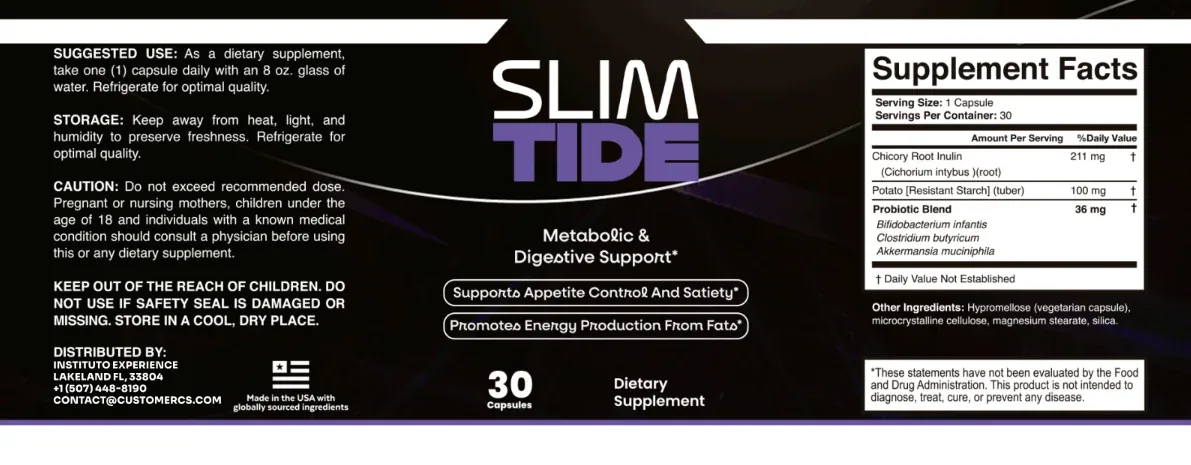
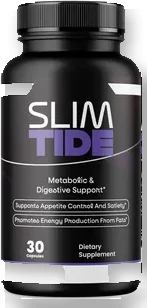
For readers who came to this page while comparing options, the formula we cover on this site is a once-daily stimulant-free capsule. You can read the full ingredient breakdown and what it is built to do on our SlimTide page, including the fibre component that makes the hydration advice above directly relevant.
See the current SlimTide options
If you have been working out where to buy weight loss supplements without going through a third-party marketplace, the official store is the only link we carry. Current pricing, the full label and the manufacturer's money-back guarantee.
Order NowCommon questions
How much water should I take gut health supplement pills with?
A full glass of about 8 to 10 fluid ounces, roughly 240 to 300 ml, with the dose itself, and a second glass within the following hour. A sip is not enough. Bulking fibre draws water in the gut, so the fluid has to be available downstream, not just enough to get the capsule swallowed.
Can I take fibre capsules with coffee or tea instead of water?
Tea and coffee do count towards total fluid for most people, and the old idea that caffeine dehydrates you at ordinary intakes is not well supported. Water is still the simpler choice with a dose, because it is easier to drink a full glass quickly and you are not adding caffeine at a time of day you may not want it.
Will drinking more water stop the bloating from a fibre supplement?
Partly, and only for one kind of discomfort. Water helps with the heavy, stuck, constipated feeling that comes from under-hydrated bulk. It does not stop gas, because gas comes from bacteria fermenting the fibre in the colon. That settles with a lower starting dose and time, not with more fluid.
Do I need extra water on hot days or when I train?
Yes. Heat and exercise both increase fluid losses through sweat, and the fibre still needs its share. On a hot day or a heavy training day, add fluid on top of your normal intake rather than letting the supplement compete with sweat losses for what you already drink.
References
- PubMed — published research on dietary fibre, fluid intake and stool consistency
- NIDDK (NIH) — Constipation: causes, treatment and diet
- Harvard T.H. Chan School of Public Health — Fiber
- Mayo Clinic — Water: how much should you drink every day
- NIH Office of Dietary Supplements — Dietary supplement fact sheets
General information, not medical advice. These statements have not been evaluated by the Food and Drug Administration, and no dietary supplement is intended to diagnose, treat, cure or prevent any disease. Speak to a qualified healthcare professional before changing what you take.
Affiliate link. Slimtidae Health Files earns a commission on purchases made through it, at no extra cost to you. We are not the manufacturer.